THE LATEST...
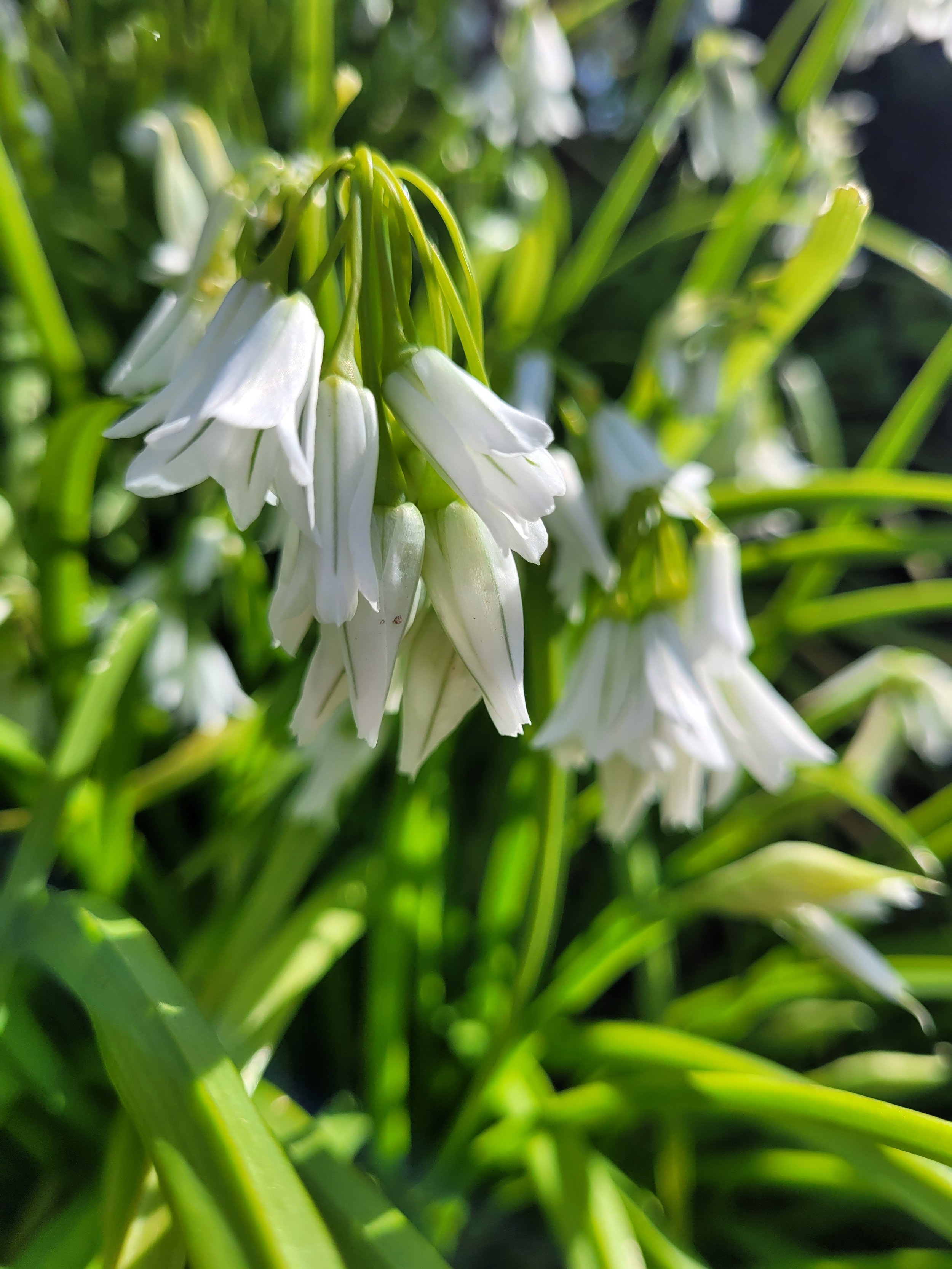
Wild-Garlic’s Wild News Cycle
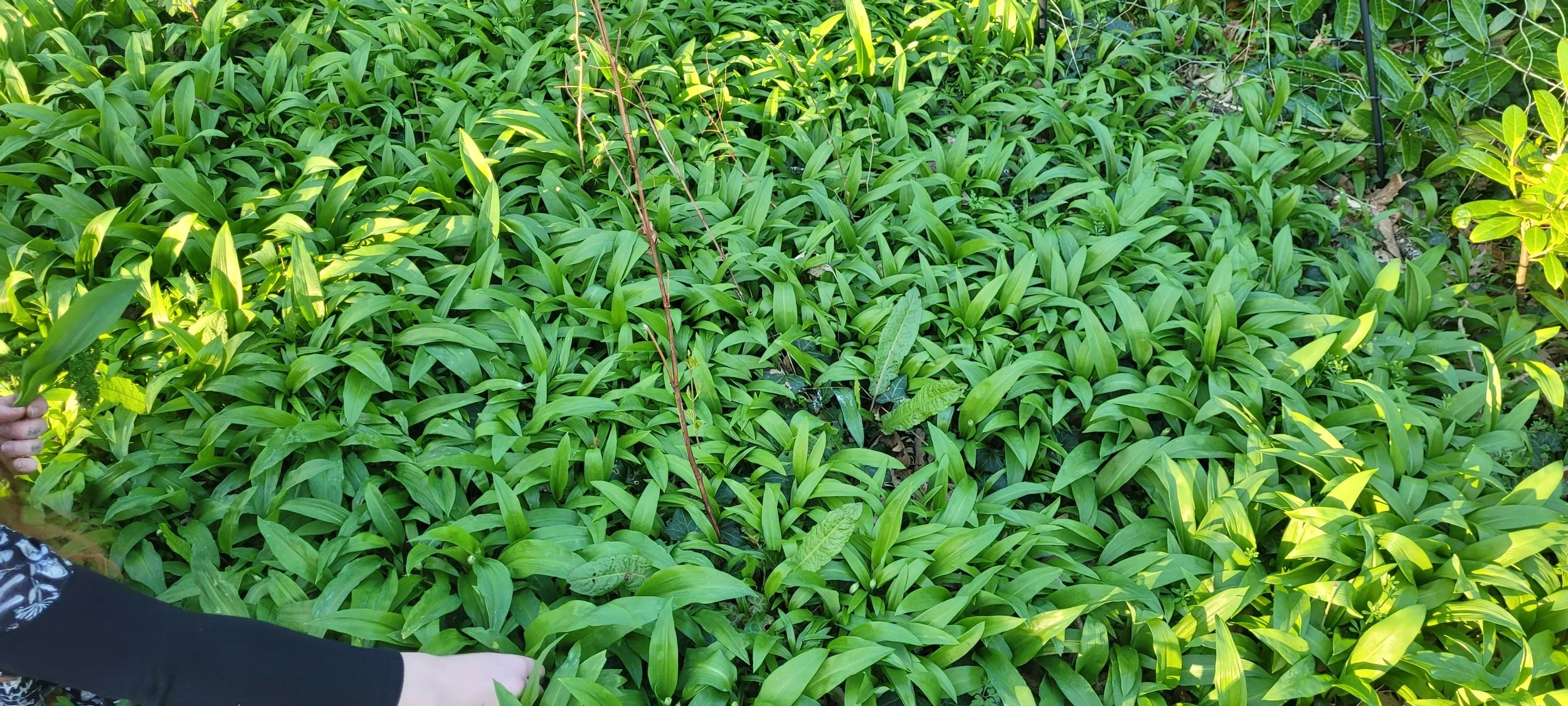
Wild garlic doesn't just have a regular growth pattern but a regular news cycle too.
As Wild Garlic (Allium ursinum) emerges in British woodlands, the media coverage follows a predictable trajectory. Each spring, news reports frame the plant through four specific lenses: toxicity risks, legal restrictions, "nuisance" disputes, and historical folklore.
Toxicity and Identification Risks
Media coverage begins in March, coinciding with the plant's emergence. Reports focus on the risk of accidental poisoning due to misidentification.
Wild Garlic grows in similar habitats to Lily of the Valley (Convallaria majalis) and Autumn Crocus (Colchicum autumnale), both of which are toxic. Foraging guides, such as those published by the National Trust, warn of the "Sniff Test Paradox": once a forager’s hands smell of garlic, they may fail to detect the absence of scent on a toxic lookalike.
"The key difference between the two plants is that wild garlic always smells... If you're in any doubt about which plant you've found, do not pick or eat it." — National Trust, "Places to forage for wild garlic"
Botanical distinction relies on morphology rather than scent. Convallaria majalis leaves unfurl from a single tight stem, whereas Allium ursinum leaves emerge individually from the soil base.
Commercial Harvesting and the Law
In April, news reports frequently cover "commercial foraging," citing police interventions. A notable case occurred in March 2022 in Lostwithiel, Cornwall, where The Guardian and Cornish Times reported residents setting up patrols to stop "white van" gangs from stripping Millham Lane bare.
Two primary laws govern the harvest:
The Theft Act 1968: Makes it illegal to pick wild foliage for commercial gain (reward or sale) without landowner permission.
The Wildlife and Countryside Act 1981: Makes it illegal for any person (commercial or personal) to uproot a wild plant without permission.
"It is legal to cut down and take wild flowers for personal use — but not for commercial purposes and sale." — The Cornish Times, March 24, 2022
Conservation reports note that large-scale harvesting often results in soil compaction and damage to co-habitating species, specifically the native Bluebell (Hyacinthoides non-scripta).
Ancient Woodland Indicator Status vs. Nuisance Complaints
In May, during the flowering phase, coverage often shifts to the plant's sensory impact. While not typically a statutory nuisance like industrial noise, the strong sulfurous odor frequently generates local debate in residential areas bordering woodlands.
Biologically, Allium ursinum is classified as an Ancient Woodland Indicator (AWI). Its presence typically signifies that an area has been continuously wooded since at least 1600 AD. The strong scent is a natural characteristic of the plant's peak growth phase.
Historical Usage
Media coverage frequently references historical texts to contextualize the plant's consumption. A common citation found in British folklore collections (and quoted by foragers like EatWeeds) is the 17th-century proverb:
"Eat leeks in Lide [March] and ramsins in May, and all the year after physicians may play."
Historically, the plant was used as a vermifuge (to expel intestinal worms) and as a spring tonic due to its vitamin content following winter.
Conclusion: The Cycle Repeats
By June, the foliage of Allium ursinum withers and the plant enters dormancy. As the visible signs of the plant disappear, the media coverage ceases. The bulbs remain underground until the following spring, when the biological cycle—and the accompanying news cycle—begins again.